Buy Now, Pay Later Plans: How They Work and What to Watch For
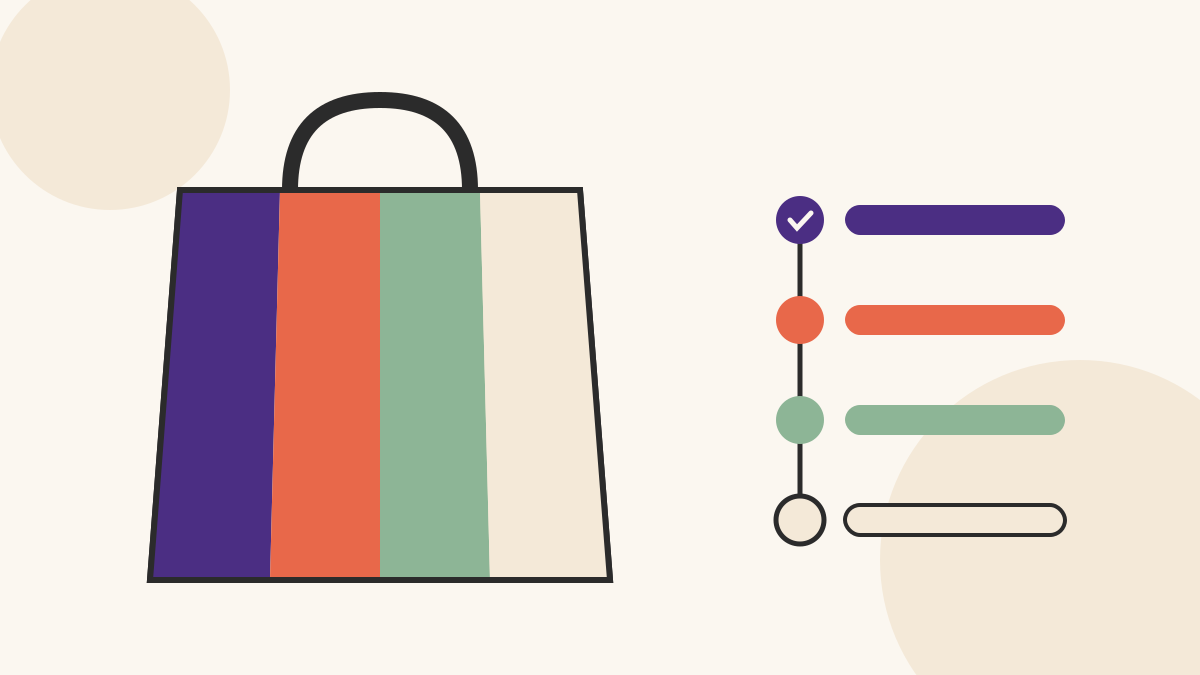
Buy now, pay later plans split a purchase into smaller installments, often with no interest. Late fees, stacked plans, and longer loans need a closer look.

 admin
Buy now, pay later plans split a purchase into smaller installments, often with no interest. Late fees, stacked plans, and longer loans need a closer look.
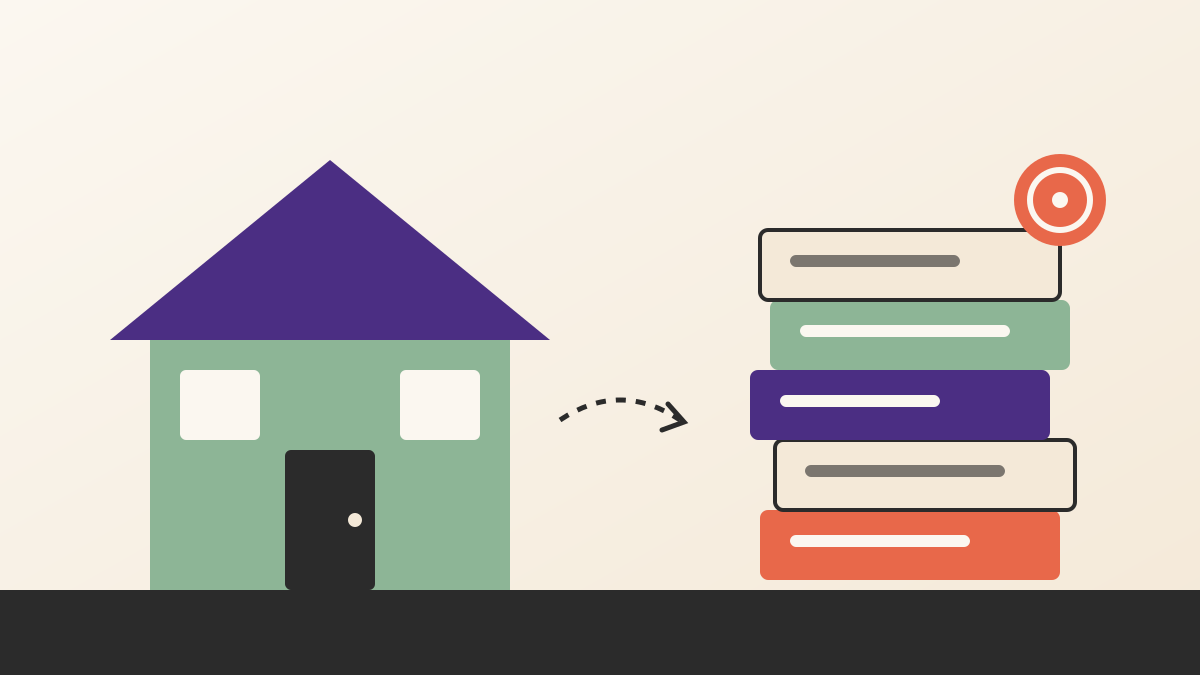
Closing costs are the fees and prepaid items due when a home purchase is finalized, separate from the down payment. Here is what they usually include.
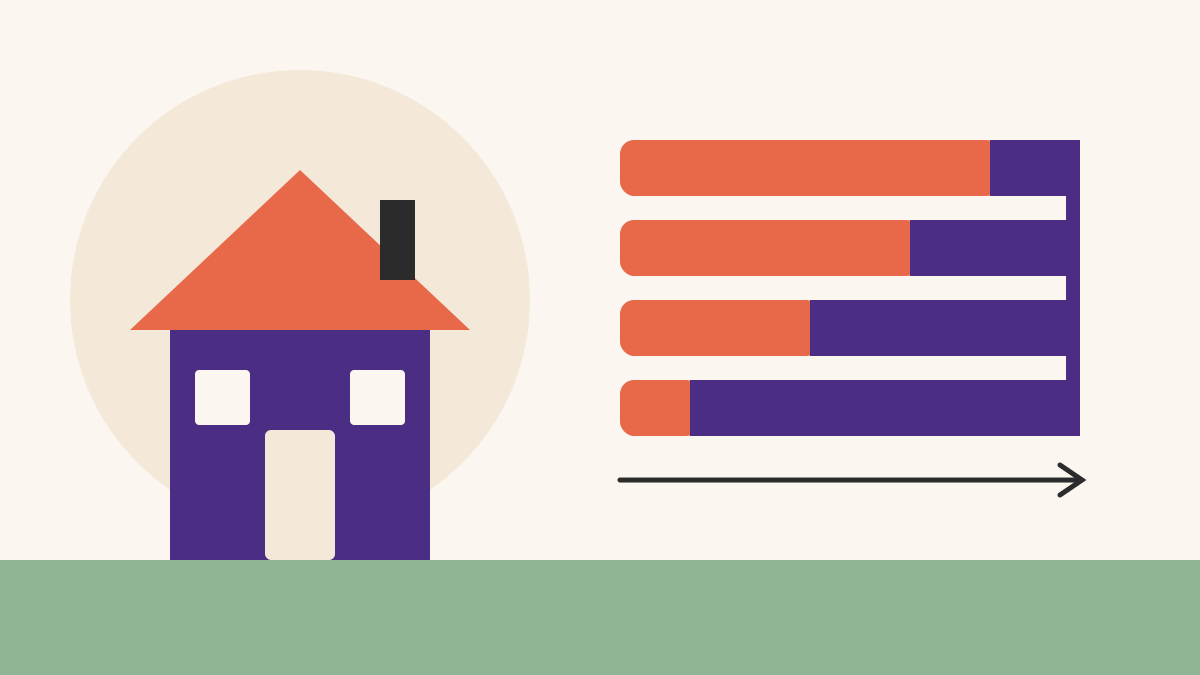
Your mortgage payment stays the same each month, but the split shifts over time. Early on most of it is interest; later most of it pays down the balance.
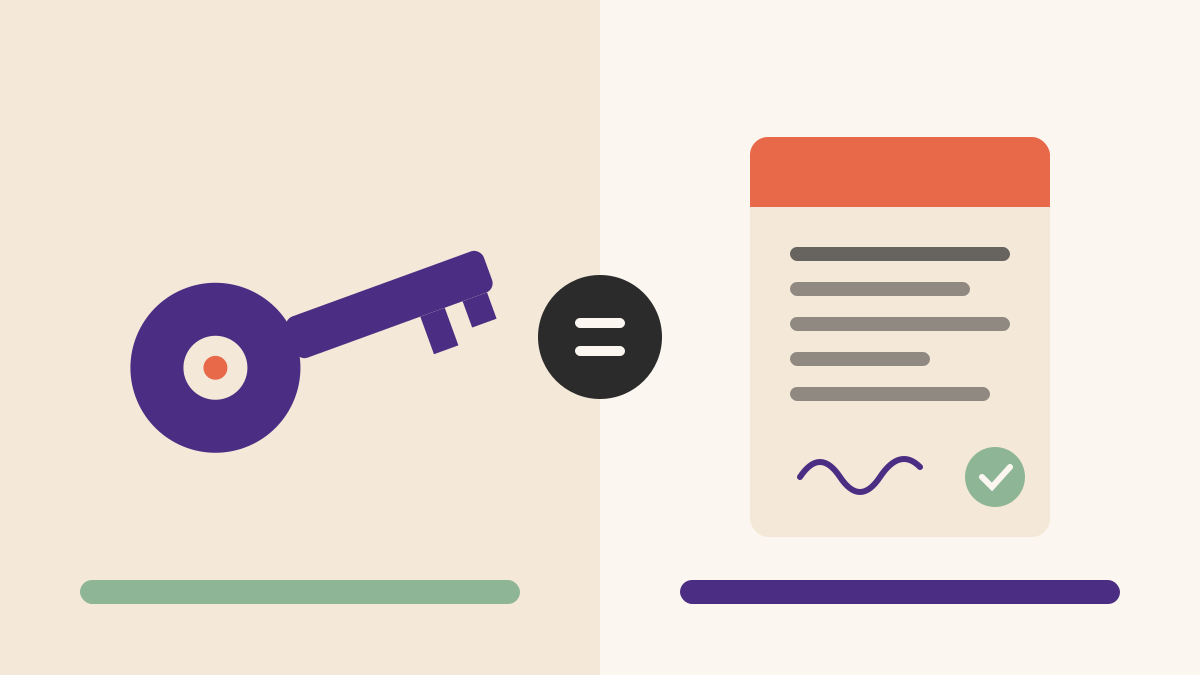
Leasing often has the lower monthly payment, while buying leaves you owning an asset. Comparing them fairly means looking at cost over the same period of time.
A car loan’s cost depends on three levers: the amount borrowed, the interest rate, and the term. Here is how they combine into a monthly payment and total.
Withholding is tax paid in advance from each paycheck. A refund simply means more was withheld than you owed, and a bill means less was withheld.
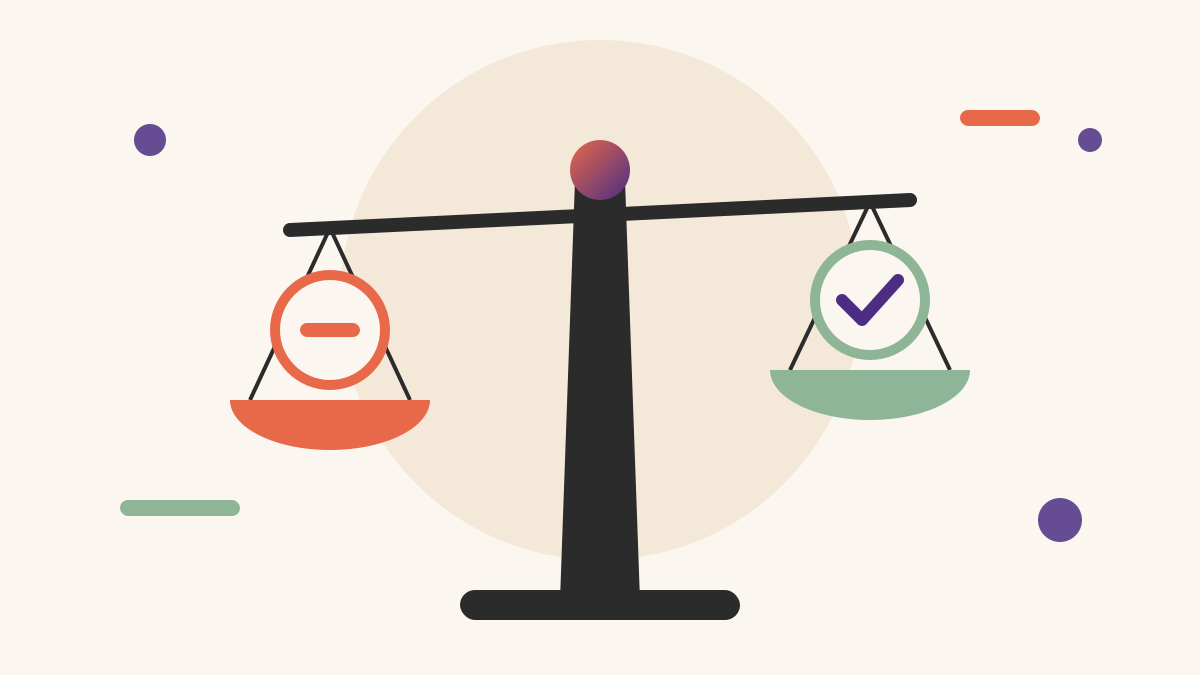
A deduction lowers the income you are taxed on, while a credit cuts the tax bill itself. See how each one works and why credits often go further.
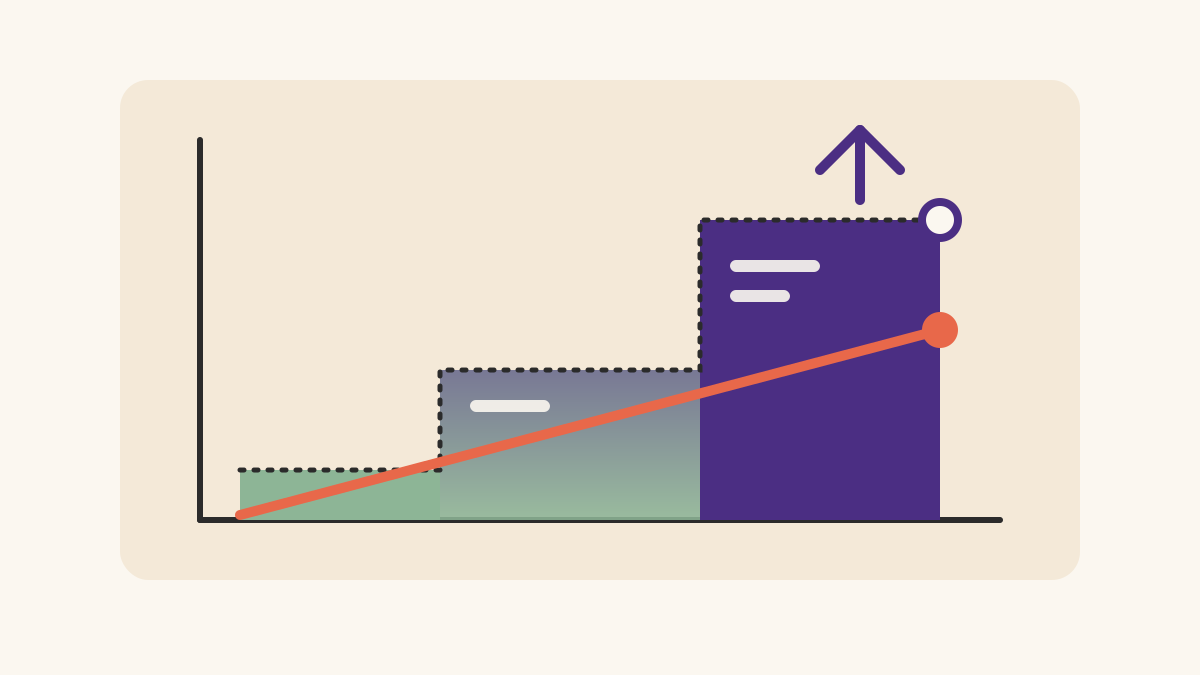
Your marginal rate applies to your next dollar of income, while your effective rate is your total tax divided by income. Here is how both work.
Gross pay is what you earn before deductions and net pay is what you take home. See where the gap goes and how to plan your budget around it.