How Tax Withholding Works and Why Refunds Happen
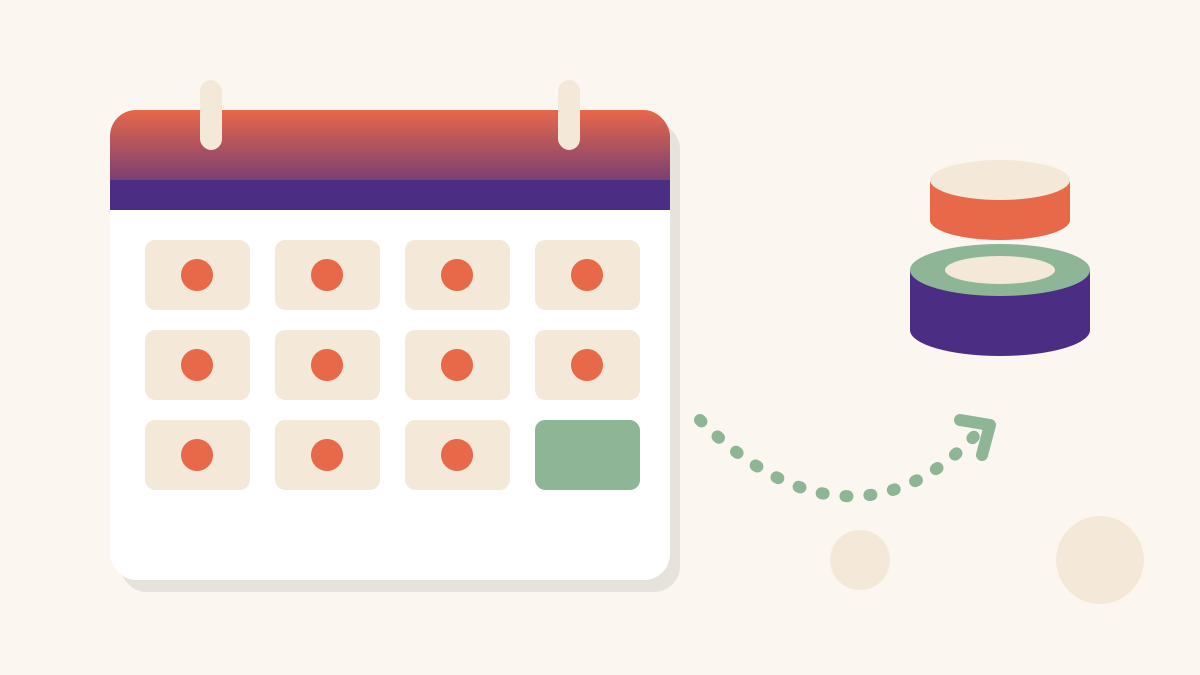
Withholding is tax paid in advance from each paycheck. A refund simply means more was withheld than you owed, and a bill means less was withheld.

Pay stubs, gross and net pay, tax rates, deductions, credits and withholding explained with simple examples.
Withholding is tax paid in advance from each paycheck. A refund simply means more was withheld than you owed, and a bill means less was withheld.
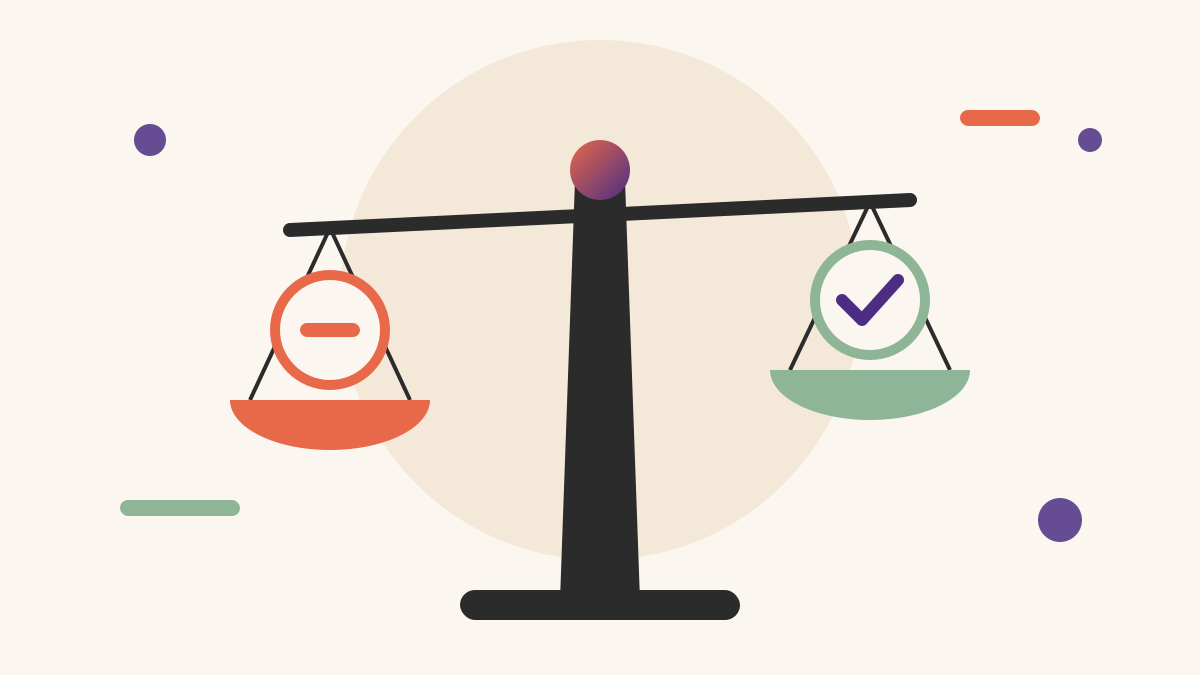
A deduction lowers the income you are taxed on, while a credit cuts the tax bill itself. See how each one works and why credits often go further.
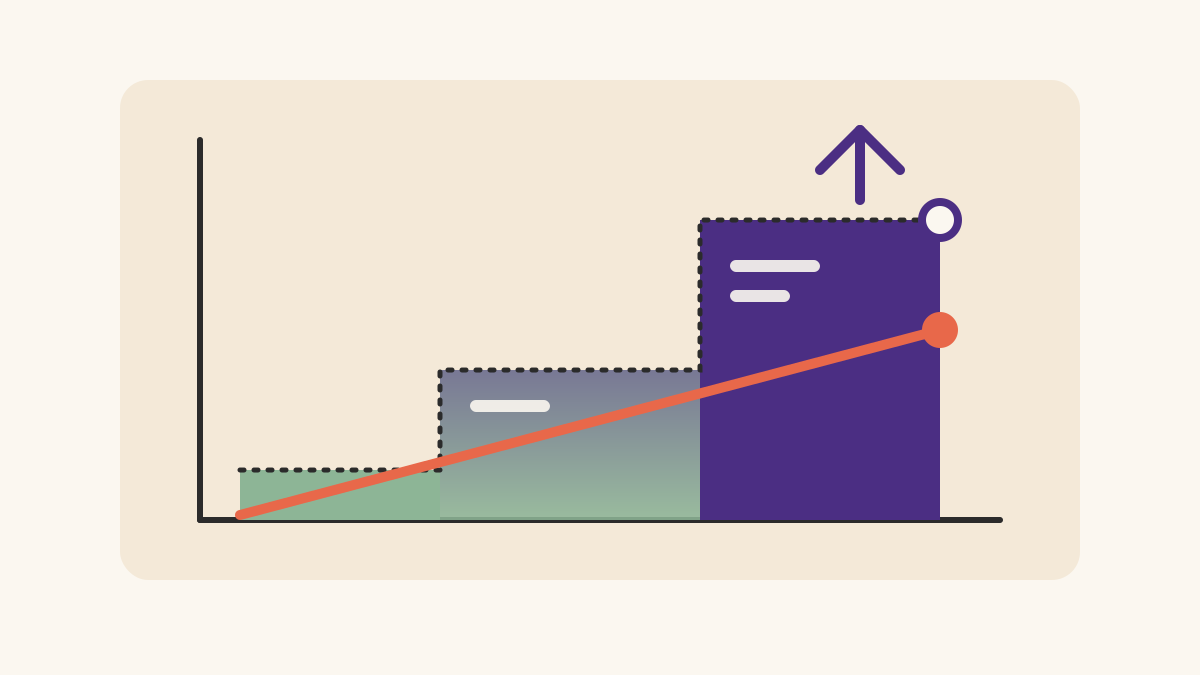
Your marginal rate applies to your next dollar of income, while your effective rate is your total tax divided by income. Here is how both work.
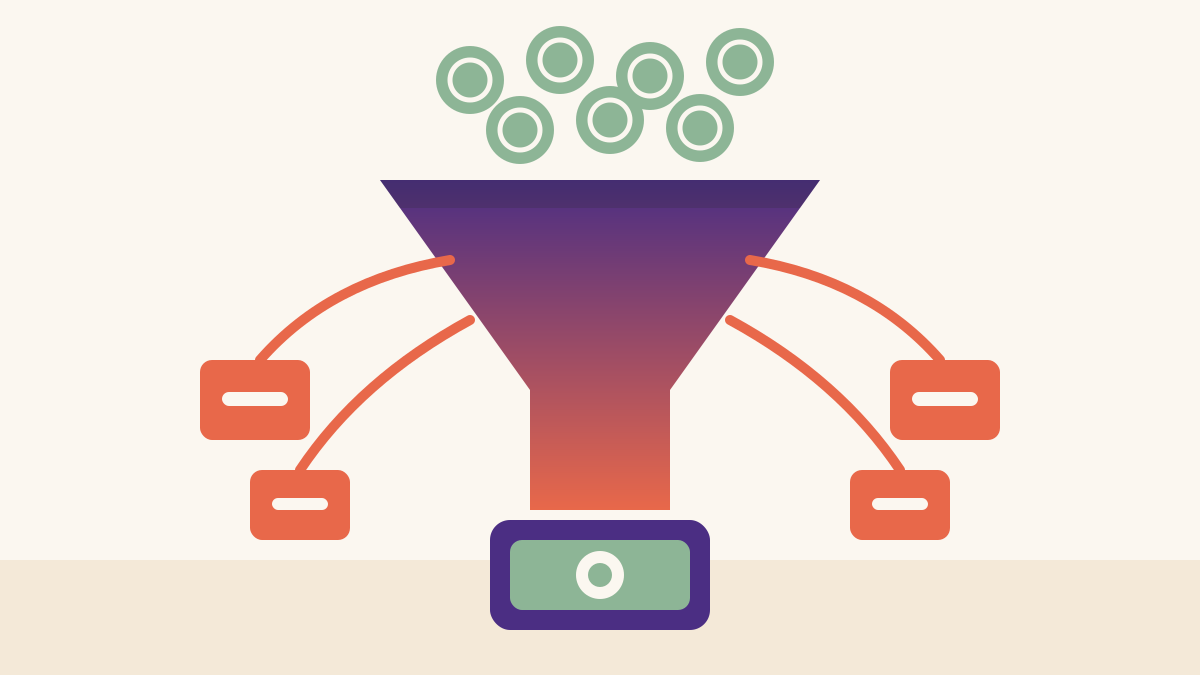
Gross pay is what you earn before deductions and net pay is what you take home. See where the gap goes and how to plan your budget around it.

Learn what each section of a typical pay stub means, from gross earnings and deductions to net pay and year-to-date totals, with a simple example.